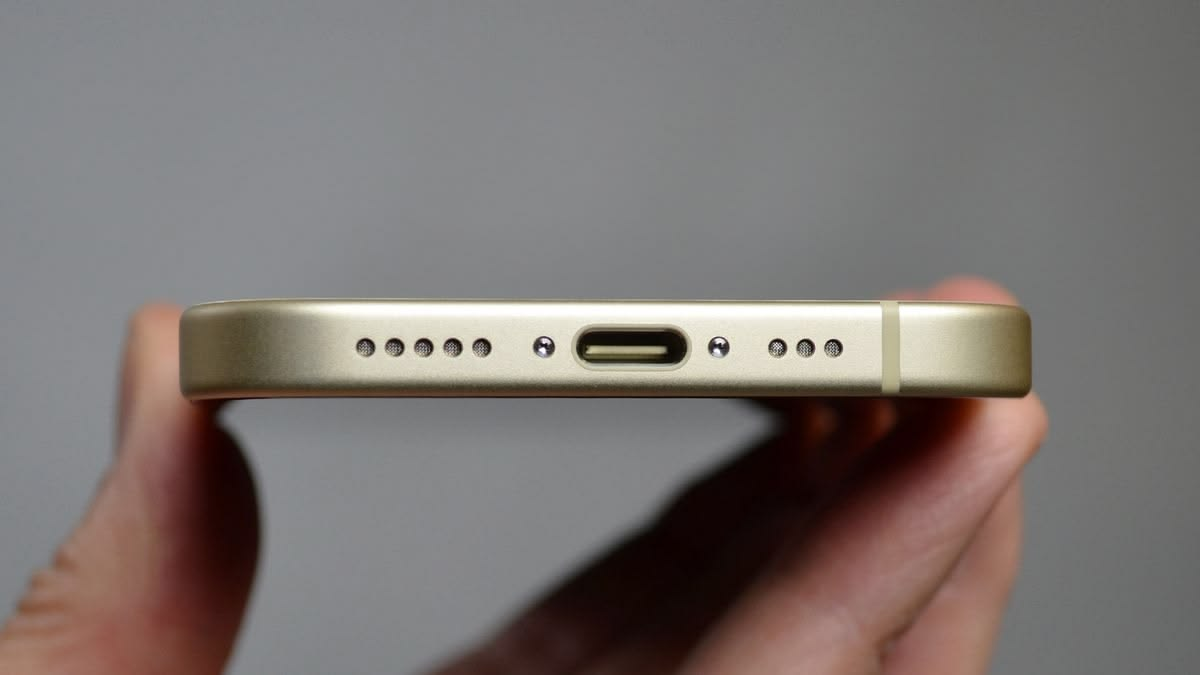
A good speaker can completely change the way you enjoy music, movies, podcasts, games, and other audio content. Whether you use a compact Bluetooth speaker, a powerful home audio system, or a portable speaker for outdoor activities, choosing the right device is important. My speaker should match your listening needs, available space, budget, and preferred audio quality.
Modern speakers are available in many different designs and sizes. Some are designed for portability, while others focus on powerful bass and room-filling sound. Understanding the main features can help you make a smarter decision and get better value from your speaker.
What Is My Speaker?
The phrase my speaker can refer to a personal speaker that you use for playing audio from a phone, computer, tablet, television, or another device. Speakers convert electrical audio signals into sound waves that we can hear.
Today, wireless speakers have become especially popular because they can connect to smartphones and other devices without requiring traditional audio cables. Bluetooth technology makes it easy to play music almost anywhere.
A speaker can be used for many purposes, including:
- Listening to music
- Watching movies and TV shows
- Playing games
- Listening to podcasts
- Joining online meetings
- Giving presentations
- Enjoying outdoor entertainment
The best choice depends on how and where you plan to use it.
Why Speaker Quality Matters
Sound quality can have a major effect on your overall entertainment experience. A low-quality speaker may produce unclear vocals, weak bass, or unwanted distortion at higher volumes.
A good speaker provides a more balanced audio experience. Vocals should remain clear, instruments should sound natural, and bass should complement the rest of the audio instead of overpowering it.
However, expensive does not always mean better for every user. A compact speaker may be ideal for someone who travels frequently, while a larger home speaker could be more suitable for someone who wants powerful sound in a living room.
Important Features to Look For
Before choosing my speaker, consider several important features.
1. Sound Quality
Sound quality should be one of your biggest priorities. Look for a speaker that produces clear highs, detailed mids, and controlled bass.
If possible, listen to the speaker before purchasing it. Different speakers can have noticeably different sound signatures.
2. Bluetooth Connectivity
Bluetooth allows you to connect compatible devices wirelessly. This is particularly useful for portable speakers because you do not need to keep your phone physically connected.
Check the Bluetooth specifications and compatibility with your devices before buying.
3. Battery Life
For portable speakers, battery life is extremely important. A longer-lasting battery means you can enjoy music for more time without constantly searching for a charger.
Consider your normal usage. If you mainly use your speaker at home, battery life may be less important than it would be for someone who frequently travels.
4. Portability
If you want to take my speaker to school, a friend’s house, a picnic, or another location, size and weight matter.
Compact speakers are easy to carry, while larger models generally offer more powerful sound but may be less convenient to transport.
5. Water Resistance
Outdoor users should consider water and dust resistance. A suitable protection rating can help protect a speaker from accidental splashes and environmental conditions.
Always check the manufacturer’s specifications rather than assuming that every portable speaker is waterproof.
How to Set Up My Speaker
Setting up a wireless speaker is usually straightforward.
First, charge the speaker if it has a built-in battery. Turn it on and activate Bluetooth on your phone, tablet, or computer.
Next, look for the speaker in your device’s Bluetooth settings. Select the correct speaker name and wait for the devices to pair.
Once connected, play some audio at a moderate volume. If everything works correctly, you can adjust the volume from either the speaker or your connected device.
If your speaker uses a cable instead of Bluetooth, connect the appropriate audio cable and select the correct audio output on your device.
How to Improve Speaker Sound
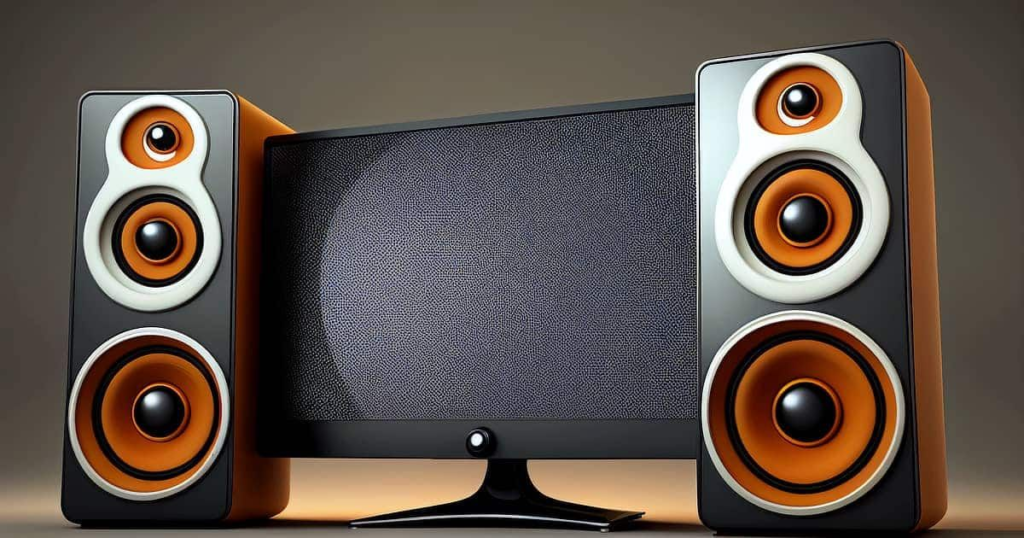
There are several simple ways to improve the performance of my speaker.
Start by placing the speaker in an appropriate location. Avoid covering the speaker grille because this can affect sound output.
Experiment with speaker positioning. Moving a speaker slightly away from walls or placing it at ear level can sometimes improve the listening experience.
You can also check the equalizer settings on your phone or music application. Small adjustments to bass, mids, and treble can change the overall sound.
Avoid increasing the volume to maximum levels unnecessarily. Very high volume can cause distortion and may reduce the lifespan of some speaker components.
Common Speaker Problems
Even a good speaker can sometimes experience problems.
Speaker Is Not Connecting
If my speaker does not connect to a phone or computer, turn Bluetooth off and on again. Make sure the speaker is in pairing mode and within a reasonable distance from the device.
You can also remove the speaker from your device’s saved Bluetooth list and pair it again.
No Sound
If the speaker connects but produces no sound, check the volume on both devices. Also confirm that the correct audio output is selected.
For wired speakers, inspect the cable and connectors for damage or loose connections.
Sound Keeps Cutting Out
Bluetooth interference, distance, low battery, or obstacles can sometimes cause audio interruptions.
Move the connected device closer to the speaker and check whether other wireless devices are causing interference.
Distorted Audio
If audio sounds distorted, reduce the volume. Some speakers may struggle when pushed to extremely high volume levels.
Check the source audio as well. Poor-quality recordings can sometimes sound worse when played through high-volume speakers.
How to Maintain My Speaker
Proper maintenance can help keep my speaker working reliably for longer.
Keep the speaker away from excessive moisture unless it is specifically designed for water exposure. Clean the exterior with an appropriate soft, dry cloth and avoid putting liquids directly onto the speaker.
Do not block ventilation openings on models that require airflow. Also, avoid dropping the speaker or exposing it to unnecessary impacts.
For rechargeable speakers, follow the manufacturer’s charging recommendations. Using compatible chargers and accessories is generally the safest approach.
Portable vs. Home Speakers
Portable and home speakers serve different purposes.
Portable speakers prioritize convenience, battery life, and wireless connectivity. They are useful when you want audio in different locations.
Home speakers generally prioritize sound performance and may offer larger drivers, stronger amplification, or additional connectivity options.
If portability is your main priority, choose a compact wireless model. If sound performance in a fixed location is more important, a larger home speaker may be a better fit.
Why Wireless Speakers Are Popular
Wireless speakers have become popular because they make audio playback more convenient. You can connect a smartphone and control music without being physically connected to the speaker.
They also reduce cable clutter and make it easier to move your audio setup.
For everyday listening, a wireless speaker can provide a simple solution for bedrooms, living rooms, study areas, and outdoor spaces.
Choosing the Right Speaker for Your Needs
When selecting my speaker, think about your daily habits rather than simply choosing the most expensive model.
Ask yourself:
- Where will I use the speaker?
- Do I need portability?
- How important is battery life?
- Do I prefer strong bass or balanced audio?
- Will I use Bluetooth?
- Do I need water or dust resistance?
- What size speaker fits my space?
- What is my budget?
Answering these questions can make the selection process much easier.
Final Thoughts
Choosing my speaker is ultimately about finding the right balance between sound quality, portability, features, durability, and price. A compact Bluetooth speaker may be perfect for everyday portable listening, while a larger speaker may be better for home entertainment.
After purchasing a speaker, proper setup and regular care can help maintain its performance. Keep it clean, avoid unnecessary damage, use suitable charging equipment, and adjust the volume responsibly.
With the right speaker and proper maintenance, you can enjoy clearer and more enjoyable audio for music, movies, games, podcasts, and everyday entertainment.