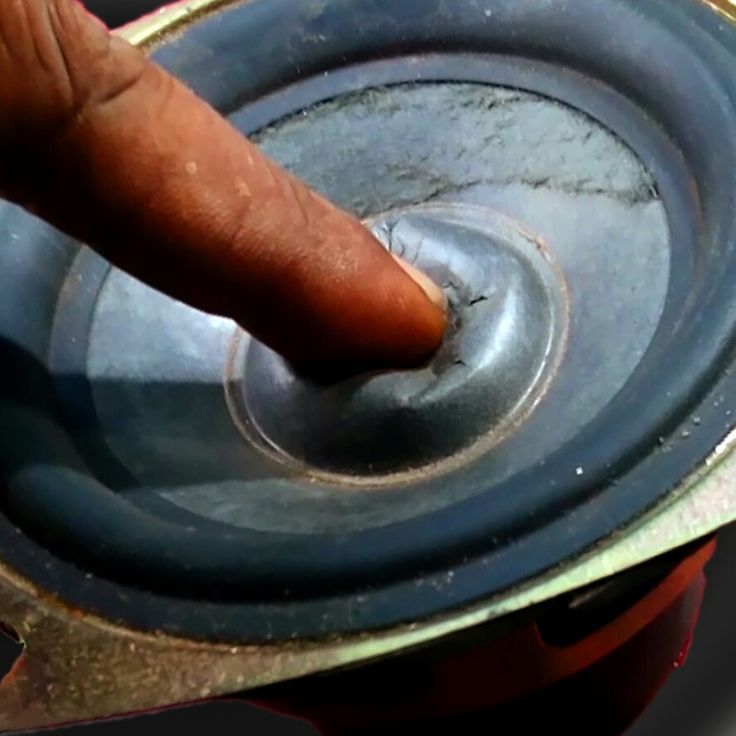
Dust is one of the most common problems that can affect speakers over time. Whether you use a Bluetooth speaker, computer speaker, home audio system, or car speaker, dust can collect on the grille, cone, and other parts. If you are searching for fix my speaker dust solutions, the good news is that most dust-related problems can be handled with simple and careful cleaning.
Regular speaker maintenance can help keep your equipment looking clean and performing properly. However, speakers contain delicate components, so aggressive cleaning methods can sometimes cause more harm than good. The right approach depends on where the dust has collected and how sensitive the speaker is.
Why Does Dust Get Inside Speakers?
Speakers naturally attract dust because they are usually placed in open areas where air circulates. Dust particles can enter through speaker grilles, openings, ports, and other small spaces.
Over time, dust may accumulate around the speaker cone or grille. In some cases, it can also collect around buttons, charging ports, and ventilation openings.
Common reasons for speaker dust include:
- Keeping speakers in dusty rooms
- Placing speakers near windows
- Using speakers frequently
- Not cleaning the speaker grille regularly
- Storing speakers without protection
- Keeping speakers on floors or dusty surfaces
A small amount of surface dust is usually not a major problem. The bigger concern is allowing dust to build up over a long period.
How to Fix My Speaker Dust Safely
If you want to fix my speaker dust, start with the safest cleaning method instead of immediately taking the speaker apart.
First, turn the speaker off and disconnect it from its power source. This reduces the risk of accidentally damaging the electronics while cleaning.
Next, inspect the speaker carefully. Determine whether the dust is sitting on the outside grille or has moved deeper into the speaker.
1. Use a Soft Brush
A soft, clean brush can be one of the easiest ways to remove dust from a speaker grille.
Gently move the brush across the surface without applying heavy pressure. A soft artist’s brush or another suitable soft-bristled brush can work well for loose dust.
Avoid stiff brushes because they may damage delicate materials or push dust further into the speaker.
2. Use a Microfiber Cloth
For exterior surfaces, a dry microfiber cloth can help remove dust and fingerprints.
Wipe the speaker gently instead of rubbing aggressively. Pay attention to the top, sides, buttons, and outer grille.
If your speaker has a fabric-covered grille, avoid soaking the cloth. Excess moisture can potentially reach the internal electronics.
3. Clean the Speaker Grille
The grille is often the first place where dust accumulates.
If the grille is removable according to the manufacturer’s instructions, you may be able to remove it for easier cleaning. However, don’t force it off if you are unsure how it is attached.
For a fixed grille, gently brush or wipe the visible surface.
The goal is to remove dust rather than push it through the grille openings.
Should You Use Compressed Air?
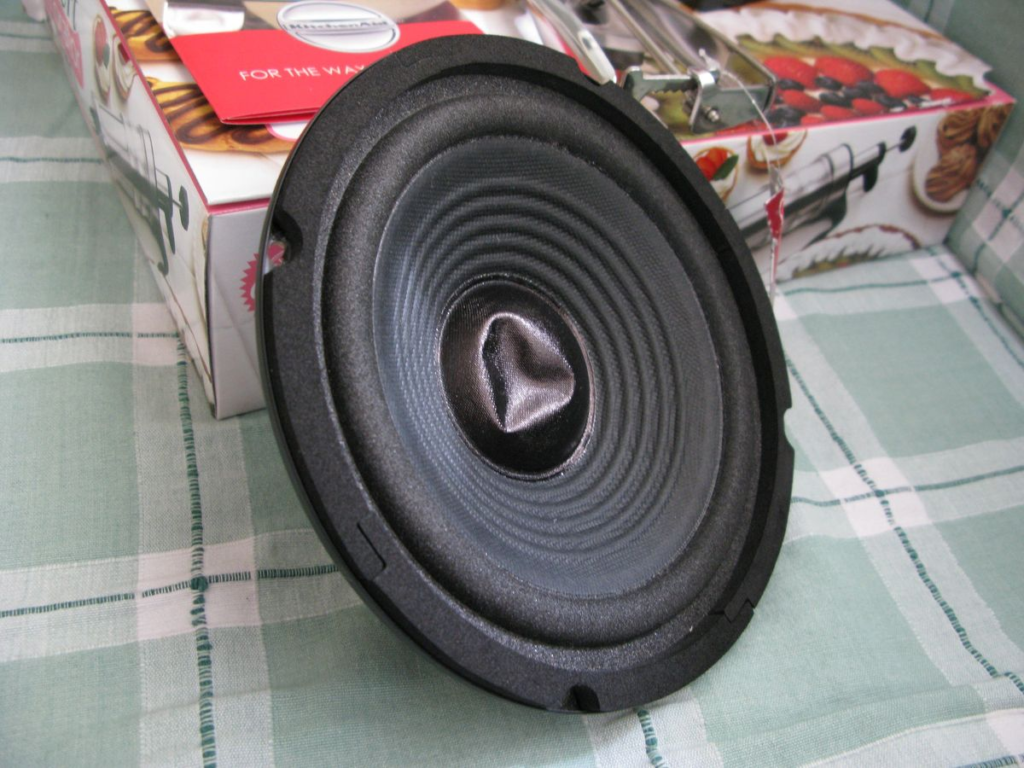
Compressed air can sometimes help remove loose dust, but it should be used carefully.
A powerful stream of air may push dust deeper into the speaker. It can also cause delicate components to move unnecessarily.
If you use compressed air, keep the pressure controlled and avoid directing a strong blast directly at the speaker cone.
For ordinary surface dust, a soft brush is usually a simpler option.
Can Dust Affect Speaker Sound?
Heavy dust accumulation can potentially affect speaker performance, especially if dust collects around delicate moving components.
You might notice issues such as:
- Reduced clarity
- Unusual buzzing or rattling
- Distorted sound
- Lower perceived volume
- Intermittent audio problems
However, these symptoms do not automatically mean dust is the cause. A damaged speaker cone, loose connection, worn component, or audio-source problem can produce similar symptoms.
If cleaning the exterior does not solve the issue, further inspection may be necessary.
What Not to Do When Cleaning a Speaker
When looking for fix my speaker dust solutions, it’s important to avoid cleaning methods that could damage the speaker.
Don’t Pour Water on the Speaker
Water and electronics are a bad combination unless the device is specifically designed for that type of exposure.
Even speakers advertised as water-resistant should be cleaned according to their manufacturer’s instructions.
Don’t Use Excessive Pressure
Pushing hard against the speaker grille or cone can damage delicate components.
Use gentle movements and let the cleaning tool do the work.
Don’t Use a Vacuum Directly on the Cone
A vacuum cleaner can generate strong suction. Directly placing one over a speaker cone may put unnecessary stress on the speaker.
A soft brush is generally a safer option for loose dust.
Don’t Disassemble the Speaker Without Knowing What You’re Doing
Opening a speaker can expose sensitive electronics and may also affect a warranty.
If dust is located deep inside and cannot be safely reached from outside, professional inspection may be a better choice.
How to Prevent Speaker Dust
Cleaning is useful, but prevention can reduce how often you need to clean your speaker.
Keep your speaker on a clean, elevated surface rather than directly on the floor. Regularly dust the surrounding area so particles don’t continuously enter the speaker.
You can also make speaker maintenance part of your normal cleaning routine.
A simple routine might include:
- Turn the speaker off.
- Inspect the grille for visible dust.
- Use a soft brush to remove loose particles.
- Wipe the exterior with a dry microfiber cloth.
- Check ports and openings for accumulated debris.
- Store portable speakers properly when not in use.
Regular light cleaning is generally easier than trying to remove a large amount of accumulated dust later.
When Should You Get Professional Help?
Not every speaker problem can be solved by cleaning.
Consider professional assistance if the speaker continues to produce distorted or unusual audio after safe external cleaning. Professional help may also be appropriate if dust or debris appears to have entered the internal components.
Avoid repeatedly opening or modifying the speaker if you don’t have the necessary experience.
A professional can determine whether the problem is actually dust-related or caused by another component.
Fix My Speaker Dust: Final Thoughts
If you’re searching for fix my speaker dust, start with simple and safe cleaning techniques. Most surface dust can be removed using a soft brush and microfiber cloth without complicated equipment.
The key is to avoid excessive force, moisture, strong suction, or aggressive air pressure. Speakers contain delicate components, so careful maintenance is better than aggressive cleaning.
Keeping your speaker in a cleaner environment and performing occasional maintenance can also help reduce future dust buildup. If cleaning doesn’t solve a sound problem, don’t assume dust is responsible. The speaker may have another issue that requires proper inspection.
With regular care and gentle cleaning, you can help keep your speaker clean and enjoy reliable audio performance for longer.