A speaker can make a huge difference in how you enjoy music, movies, games, podcasts, and calls. However, speakers can sometimes develop problems such as low volume, distorted sound, Bluetooth connection issues, crackling noises, or complete audio failure. If you are searching for Fix My Speaker, you are probably looking for a simple way to identify and solve these common problems.
The good news is that many speaker issues are caused by basic settings, loose connections, software problems, dust, or compatibility issues. Before replacing your speaker, it is worth trying a few straightforward troubleshooting steps.
What Does Fix My Speaker Mean?
Fix My Speaker can refer to the process of troubleshooting and resolving common problems affecting a speaker or audio device. These problems may occur with Bluetooth speakers, computer speakers, phone speakers, smart speakers, portable speakers, or wired audio systems.
The right solution depends on the problem. For example, low volume may be related to device settings, while distorted audio could be caused by excessive volume, damaged components, or an unreliable connection.
Understanding the symptoms can help you find the right solution more quickly.
Common Speaker Problems
Before attempting to fix your speaker, identify exactly what is wrong. Some of the most common issues include:
- Speaker producing no sound
- Very low volume
- Crackling or buzzing audio
- Distorted sound
- Bluetooth connection problems
- Speaker disconnecting repeatedly
- Audio playing from the wrong device
- One speaker working while another does not
- Delayed or interrupted audio
- Speaker working on one device but not another
Each issue can have a different cause, so start with the simplest troubleshooting methods.
1. Check the Volume Settings
One of the easiest things to check is the volume.
Your speaker may have its own volume controls, while your phone, computer, television, or other device may have separate volume settings. Make sure both are turned up to an appropriate level.
Also check whether your device is muted. Some applications have their own volume controls, meaning your system volume can be high while the application itself is muted.
If the speaker suddenly becomes quiet, checking these settings should be your first step.
2. Restart Your Speaker and Device
A simple restart can solve many temporary audio problems.
Turn the speaker off, wait a few seconds, and turn it back on. If you are using a phone, tablet, computer, or television, restart that device as well.
Restarting can clear temporary software errors and refresh the connection between your speaker and the device.
This is especially useful when a Bluetooth speaker was previously working normally but suddenly stops producing sound.
3. Check the Connection
For wired speakers, inspect the cable and connections carefully. Make sure the audio cable or power cable is properly connected.
For Bluetooth speakers, check whether the speaker is actually connected to the correct device. Your phone might connect automatically to another Bluetooth accessory, causing the speaker to appear connected while no audio is being sent to it.
Turn Bluetooth off and back on if necessary. You can also disconnect and reconnect the speaker.
4. Forget and Re-Pair a Bluetooth Speaker
If a Bluetooth speaker continues to have connection problems, removing the existing pairing can help.
Open your device’s Bluetooth settings and remove or “forget” the speaker. Then place the speaker into pairing mode and connect it again.
This creates a fresh Bluetooth connection and can resolve problems caused by an incorrect or corrupted pairing.
If several devices are nearby, temporarily turn off Bluetooth on devices you are not using. Another device may be trying to connect to the speaker automatically.
5. Check Your Audio Output
Sometimes the speaker itself is working perfectly, but your device is sending audio somewhere else.
For example, a computer may send sound to headphones, a monitor, a television, or another Bluetooth device instead of your speaker.
Open your device’s sound settings and select the correct output device.
On a smartphone, check the media output controls. On a computer, check the available playback devices and make sure your speaker is selected.
This simple check can save you from unnecessary troubleshooting.
6. Deal With Distorted or Crackling Sound
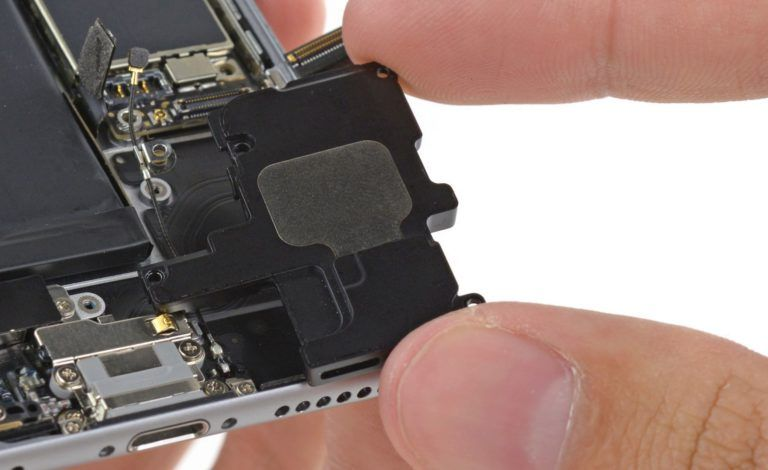
Distorted audio can have several causes.
First, reduce the volume. Playing audio at extremely high levels can cause distortion, especially when the speaker cannot handle the output.
Next, test a different song, application, or audio file. If only one recording sounds distorted, the original audio may be the problem.
You should also test the speaker with another device. If the sound remains distorted across multiple devices, the issue may be related to the speaker itself.
Avoid placing the speaker against surfaces that cause excessive vibration, and keep vents and openings clear.
7. Keep the Speaker Clean
Dust and debris can affect the performance of small speakers, particularly portable devices and phone speakers.
If your speaker has visible dust around its openings, clean it carefully using a soft, dry brush or another manufacturer-approved method. Avoid pushing debris deeper into the speaker.
Do not pour liquids into speaker openings or use excessive moisture.
Keeping the speaker clean can help maintain clear sound and prevent debris from interfering with audio output.
Why Is My Speaker Not Working?
If your speaker has completely stopped working, check the power source first.
For a portable speaker, make sure the battery has sufficient charge. If it uses a charging cable, check whether the cable and power adapter are functioning correctly.
For wired speakers, verify the power connection and audio connection.
You should also test the speaker with another compatible device. This helps determine whether the problem is with the speaker or the original device.
If the speaker does not respond after basic troubleshooting, it may require professional inspection or replacement.
How to Fix Low Speaker Volume
Low volume can be caused by several factors, including device settings, software restrictions, Bluetooth problems, or physical obstructions.
Start by checking the volume on both the speaker and connected device. Then test another audio source.
If you are using a phone, check whether any audio settings are limiting output. If you are using a computer, make sure the correct playback device is selected.
For Bluetooth speakers, moving the speaker closer to the connected device can also help if the connection is unstable.
How to Fix Bluetooth Speaker Problems
Bluetooth speakers are convenient, but wireless connections can occasionally become unreliable.
Try these steps:
- Move the speaker closer to your device.
- Turn Bluetooth off and back on.
- Restart both devices.
- Forget the speaker from Bluetooth settings.
- Pair the speaker again.
- Make sure the speaker has enough battery.
- Reduce interference from other nearby wireless devices.
- Test the speaker with another compatible device.
If the speaker works normally with another device, the original device may have a Bluetooth or audio-setting problem.
When Should You Replace a Speaker?
Not every speaker problem means you need a new speaker.
If the problem is caused by settings, pairing, software, cables, or temporary connection errors, troubleshooting may solve it quickly.
However, if the speaker has persistent problems across multiple devices, does not power on, or produces consistently poor audio despite basic troubleshooting, professional repair or replacement may be worth considering.
Before buying a replacement, check whether the manufacturer provides warranty or support options.
Final Thoughts
Finding a solution to Fix My Speaker problems does not always require complicated repairs. Start with basic checks such as volume, power, audio output, cables, Bluetooth pairing, and device settings.
If the problem continues, test the speaker with another device to determine whether the issue comes from the speaker or the connected equipment. Cleaning the speaker carefully and keeping software and devices updated can also help maintain reliable performance.
By following these troubleshooting steps, you can often identify common speaker problems and restore normal audio without immediately replacing your device.