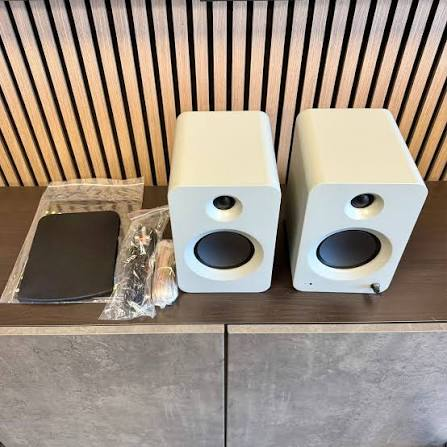
If you are searching for set my speaker, you are probably trying to connect, configure, or improve the sound of your speaker. Whether you are using a Bluetooth speaker, computer speaker, smartphone, smart speaker, or home audio system, the right settings can make a big difference in sound quality.
Sometimes speakers do not produce sound because of incorrect settings, Bluetooth connection problems, muted volume, outdated drivers, or an incorrect output device. Fortunately, most speaker problems can be solved with a few simple checks.
In this guide, you will learn how to set my speaker correctly, troubleshoot common audio problems, and improve your overall listening experience.
What Does “Set My Speaker” Mean?
The phrase set my speaker generally refers to configuring a speaker so that it works correctly with a device. This may include connecting the speaker, selecting it as the audio output, adjusting volume, changing sound settings, and testing the audio.
Speaker setup can be different depending on your device. For example, setting up a Bluetooth speaker on a phone is different from configuring wired speakers on a Windows computer.
The basic goal is the same: make sure your device recognizes the speaker and sends audio to it correctly.
How to Set My Speaker on a Smartphone
If you are using a smartphone, setting up a speaker is usually simple.
First, turn on your speaker and make sure it has enough battery. If you are using a Bluetooth speaker, activate Bluetooth pairing mode.
Open your phone’s Bluetooth settings and look for the speaker in the available devices list. Tap the speaker name to connect it.
After connecting, play an audio or video file to test the sound. If there is no audio, check your phone’s volume and make sure the media volume is turned up.
You should also make sure that your phone is not connected to another Bluetooth audio device.
How to Set My Speaker on a Windows PC
Windows computers provide several options for configuring speakers.
Start by connecting your speaker to the computer using Bluetooth, USB, or an audio cable. Once connected, open the sound settings and check the selected output device.
If multiple audio devices are connected, your computer may automatically select the wrong one. Select the speaker you want to use as the output device.
Play a test sound to confirm that the speaker is working.
If you still cannot hear anything, check the volume mixer and make sure the application you are using has not been muted.
Check Your Speaker Volume
One of the most common reasons for missing audio is simply low or muted volume.
When you set my speaker, check the volume at three levels:
- Speaker volume
- Device volume
- Application volume
For example, a video application can have its own volume control even when your computer’s main volume is high.
If your speaker has physical buttons, increase the volume directly from the speaker. Then check the volume settings on your connected device.
How to Improve Speaker Sound Quality
Correct setup is only the first step. You can also adjust your audio settings to improve sound quality.
Many devices include equalizer settings that allow you to control bass, midrange, and treble. If your speaker sounds too weak, slightly increasing the bass may help. If voices sound unclear, adjusting the midrange can sometimes improve clarity.
Avoid making extreme changes because too much bass or treble can make the sound distorted.
Your room can also affect audio quality. Placing a speaker against a wall may increase bass, while placing it in an open area can produce a different sound.
Set My Speaker for Bluetooth
Bluetooth speakers are convenient because they do not require an audio cable. However, connection problems can occasionally occur.
If your Bluetooth speaker is not working:
- Make sure Bluetooth is enabled.
- Turn on the speaker.
- Put the speaker into pairing mode.
- Open Bluetooth settings on your device.
- Select the correct speaker.
- Wait for the connection to complete.
- Play audio to test it.
If the speaker was previously connected to another device, disconnect it from that device before trying to connect again.
You can also remove the speaker from your Bluetooth device list and pair it again if the connection continues to fail.
What to Do When My Speaker Has No Sound
If your speaker is connected but there is no sound, start with the simplest solutions.
First, check whether the speaker is muted. Then increase the volume on both the speaker and the connected device.
Next, confirm that the correct audio output has been selected. Computers and phones may have multiple available audio outputs, including built-in speakers, headphones, monitors, and Bluetooth devices.
If you are using wired speakers, check that the cable is firmly connected to the correct port.
Restarting the device and speaker can also resolve temporary software or connection problems.
Check Speaker Drivers on a Computer
Computer speakers can sometimes stop working because of audio driver problems.
If your speaker suddenly stopped working after an operating system update, check whether your audio drivers are functioning correctly.
You can look at your computer’s device settings and check the audio section for errors. Installing official driver updates from your computer or hardware manufacturer’s website may resolve compatibility issues.
Avoid downloading unknown drivers from suspicious websites.
Set My Speaker for Better Music
Music can sound much better when your speaker is properly positioned and configured.
Place the speaker on a stable surface and avoid blocking the speaker grille. If you are using stereo speakers, positioning them at a reasonable distance from each other can create a wider soundstage.
Use an equalizer only when necessary. Different types of music may benefit from different sound profiles, but there is no single setting that is perfect for everyone.
The best setup depends on your speaker, room, device, and personal listening preference.
Common Speaker Setup Mistakes
Several simple mistakes can prevent a speaker from working correctly.
One common mistake is selecting the wrong audio output. Another is forgetting that the speaker is already connected to another device.
Other problems include:
- Muted device volume
- Low speaker battery
- Loose cables
- Bluetooth pairing issues
- Incorrect sound settings
- Outdated audio drivers
- Damaged cables
- Software glitches
- Speaker hardware problems
Checking these issues one by one can help identify the cause.
When Should You Reset Your Speaker?
If your speaker repeatedly disconnects or refuses to pair, a reset may help. However, the reset process varies by speaker model.
Before resetting the speaker, check its user manual for the correct procedure. A reset can remove saved Bluetooth connections and return the speaker to its default settings.
After resetting it, pair the speaker with your device again and test the audio.
Frequently Asked Questions
How do I set my speaker as the default audio device?
Open your device’s sound settings and select the speaker you want to use as the primary audio output. The exact steps depend on your operating system.
Why is my speaker connected but not producing sound?
Check the device volume, speaker volume, selected audio output, Bluetooth connection, and cables. Restarting both devices may also solve temporary issues.
Can I improve my speaker’s sound quality?
Yes. Proper speaker placement, suitable volume levels, and moderate equalizer adjustments can help improve audio quality.
Why does my Bluetooth speaker keep disconnecting?
Possible causes include low battery, excessive distance from the device, interference, or another device trying to connect. Re-pairing the speaker can sometimes resolve the issue.
How can I test my speaker?
Play a known working audio or video file and gradually increase the volume. You can also use your device’s built-in sound test if available.
Final Thoughts
Learning how to set my speaker correctly can help you avoid many common audio problems. Whether you are using a Bluetooth speaker, smartphone, computer, or wired audio system, the basic process involves connecting the speaker, selecting the correct output, checking volume settings, and testing the sound.
If your speaker is not working, do not immediately assume that the hardware is damaged. Simple problems such as muted volume, incorrect output selection, low battery, loose cables, or Bluetooth pairing issues are often responsible.
With the right setup and a few basic troubleshooting steps, you can get your speaker working properly and enjoy clearer, more reliable audio.